
Physician-patient confidentiality is defined as the legal and ethical duty of a clinician to keep all identifiable health information private, shared only with the patient’s knowledge and consent. This obligation sits at the foundation of every clinical relationship and is formally recognized under the Health Insurance Portability and Accountability Act (HIPAA), as well as the American Medical Association’s Code of Ethics. Without it, patients withhold the very information physicians need to make accurate diagnoses. Understanding the role of physician-patient confidentiality is not just an academic exercise. It directly shapes the quality of care you receive and the rights you hold over your own health data.
What is the role of physician-patient confidentiality in U.S. law?
Confidentiality in healthcare is governed primarily by the HIPAA Privacy Rule, which sets national standards for protecting individually identifiable health information. HIPAA applies to covered entities, including hospitals, physician practices, health insurers, and their business associates. Federal HIPAA violations can result in fines exceeding $2 million per year and up to 10 years in prison for willful criminal conduct. Those penalties signal that Congress treats unauthorized health disclosures as a serious harm, not a technical oversight.

Two distinct types of consent govern when information can be shared. Implied consent covers disclosures made directly for your care, such as a primary care physician sharing your lab results with a specialist treating the same condition. Explicit consent is required for disclosures outside your direct care, such as sharing records with an employer or a research institution. Consent type determines how and when information moves beyond the treating team.
A second legal concept often confused with confidentiality is physician-patient privilege. Confidentiality is a clinical and ethical duty. Physician-patient privilege is a legal evidentiary rule that governs whether medical communications can be introduced as testimony in court. The distinction matters: a physician can be ethically bound to keep your information private while a court may still compel disclosure under specific procedural rules.
Proving a breach of confidentiality in civil court requires establishing five elements:
- A physician-patient relationship existed at the time of disclosure.
- The information disclosed was obtained within that relationship.
- The disclosure was made without authorization or legal justification.
- The patient did not provide consent for the disclosure.
- The patient suffered identifiable harm as a result.
Legal claims for breach of confidentiality require all five elements to succeed. Missing even one can defeat an otherwise valid claim.
| Legal concept | Governing framework | Primary purpose |
|---|---|---|
| HIPAA Privacy Rule | Federal statute | Protect identifiable health data from unauthorized disclosure |
| Implied consent | Clinical practice standard | Allow routine care-related information sharing |
| Explicit consent | HIPAA and state law | Authorize disclosures outside direct care |
| Physician-patient privilege | State evidentiary rules | Shield medical communications from court testimony |
| Civil breach claim | Tort law | Provide legal remedy for unauthorized disclosure |
Why is confidentiality ethically vital for quality patient care?
Confidentiality is the foundation of honest communication between a patient and a clinician. Without it, patients routinely conceal information that is clinically significant. Patients withhold sensitive information due to privacy fears, which leads directly to misdiagnosis and ineffective treatment. A patient who fears their employer will learn of a mental health diagnosis may deny symptoms entirely. A patient worried about stigma may not disclose substance use that directly affects medication safety.
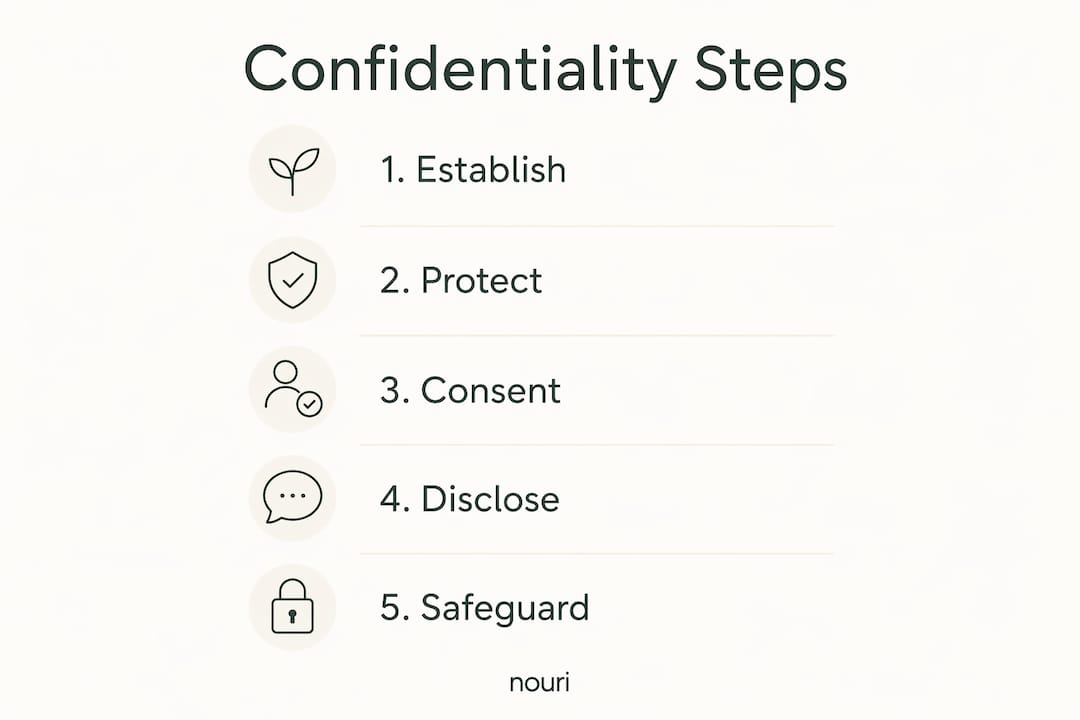
The AMA Code of Ethics 2025 frames confidentiality as a core ethical principle that requires professional judgment, not just rule-following. That framing matters because it places responsibility on the clinician to actively protect privacy, not simply avoid obvious violations. Physicians are expected to weigh patient privacy against competing duties, including public health obligations, with care and deliberation.
Confidentiality also extends well beyond the physician. Every member of the healthcare team, including nurses, medical technicians, billing staff, and IT personnel, is legally and ethically bound to protect patient health information. A billing coordinator who shares a patient’s diagnosis with a family member violates the same duty as a physician who does so. The obligation is institutional, not individual.
Key categories of sensitive information that patients commonly withhold without trust include:
- Mental health conditions and psychiatric history
- Substance use, including alcohol, prescription misuse, and illicit drugs
- Sexual behavior and sexually transmitted infections
- Reproductive health decisions, including abortion history
- Domestic violence or abuse situations
- Financial circumstances that affect treatment adherence
Pro Tip: Before your first appointment with a new provider, ask directly how your records are stored, who has access to them, and whether the practice shares data with any third parties. A clinician committed to confidentiality will answer these questions without hesitation.
What are the exceptions and limits to physician-patient confidentiality?
Physician-patient confidentiality is a qualified duty, not an absolute one. Specific circumstances permit or require disclosure without patient consent. These exceptions are narrowly defined and are not a license for broad information sharing. The governing principle is that any disclosure must use the minimum necessary information to accomplish the legitimate purpose.
Recognized exceptions include:
- Imminent harm to self or others. A physician who has credible reason to believe a patient will seriously harm themselves or another person may disclose that information to prevent the harm.
- Mandatory public health reporting. Certain communicable diseases, including tuberculosis and sexually transmitted infections, require reporting to state or local health departments under statute.
- Child and elder abuse reporting. Physicians are mandatory reporters in all U.S. states and must notify authorities when abuse or neglect is reasonably suspected.
- Court orders and subpoenas. A valid court order can compel disclosure of medical records even without patient consent, subject to applicable privilege rules.
- Workers’ compensation and insurance proceedings. Disclosures relevant to a claim may be required by law or contractual agreement.
Each exception applies only to the specific information needed for the stated purpose. A physician reporting a patient’s tuberculosis diagnosis to the health department does not thereby authorize disclosure of the patient’s psychiatric history. The minimum necessary standard is not a suggestion. It is a HIPAA requirement.
What are your rights as a patient regarding health information?
Patients hold specific, enforceable rights over their health information under HIPAA. Electronic patient management requires active engagement with those rights, including viewing, correcting, and understanding how your data is used. These rights do not expire and do not require a specific reason to exercise.
Your core rights under HIPAA include:
- Right to access. You may request a copy of your medical records, including electronic health records, within 30 days of the request.
- Right to amend. If you believe information in your record is inaccurate or incomplete, you may request a correction. The provider may deny the request but must document the denial.
- Right to an accounting of disclosures. You may request a list of instances in which your information was shared outside of direct care.
- Right to restrict disclosures. You may ask your provider to limit how your information is used, though providers are not always required to agree.
- Right to file a complaint. If you believe your privacy rights have been violated, you may file a complaint with the U.S. Department of Health and Human Services Office for Civil Rights.
Electronic health records have expanded both access and risk. Your records may be accessible to a wider network of providers, which improves care coordination but also increases the number of people who can view your information. Wrongful disclosure can lead to civil lawsuits, including invasion of privacy and negligence claims, with financial and punitive damages. That legal exposure gives providers a strong incentive to maintain strict access controls.
Pro Tip: Request your Notice of Privacy Practices from every new provider at your first visit. This document, required under HIPAA, explains exactly how your information is used, stored, and shared. Reading it takes less than ten minutes and tells you precisely what you agreed to.
Understanding private healthcare access practices helps you ask better questions and make more informed decisions about which providers you trust with your most sensitive information.
Key Takeaways
Physician-patient confidentiality is a legal and ethical duty that protects patient privacy, enables honest clinical communication, and carries enforceable rights and serious penalties for violations.
| Point | Details |
|---|---|
| Legal foundation | HIPAA governs confidentiality with fines over $2 million and up to 10 years in prison for willful violations. |
| Consent types matter | Implied consent covers direct care; explicit consent is required for any disclosure outside your treating team. |
| Confidentiality vs. privilege | Confidentiality is a clinical duty; physician-patient privilege is a separate legal evidentiary rule for court proceedings. |
| Exceptions are narrow | Disclosures for imminent harm, mandatory reporting, or court orders must use the minimum necessary information only. |
| Patient rights are active | You may access, correct, and restrict your records under HIPAA, and file complaints with the HHS Office for Civil Rights. |
Confidentiality as a living obligation, not a checkbox
A recurring pattern in the literature on medical ethics is this: most patients assume confidentiality is automatic. They sign a form at intake, hand over their insurance card, and trust that the system handles the rest. That assumption is understandable. It is also incomplete.
Confidentiality is not a passive state. It requires active decisions by every person in a clinical setting, from the physician who chooses what to document to the front desk staff who decides whether to confirm an appointment over the phone. The weakest link is rarely the physician. It is the systems around them: the shared computer screen, the billing software visible to office visitors, the text message sent to the wrong number.
One of the most underappreciated aspects is the relationship between confidentiality and care quality. Patients who trust their providers disclose more. They disclose earlier. They describe symptoms more accurately. That disclosure directly improves diagnosis and treatment. Confidentiality is not just a privacy protection. It is a clinical tool.
The shift to electronic health records has made this more complicated, not less. More providers can access your records, which is genuinely useful for coordinated care. It also means more points of potential exposure. Patients who understand how to protect health data in digital environments are better positioned to hold their providers accountable. That knowledge is not optional anymore. It is part of being an informed patient in 2026.
Physician-guided care that takes privacy seriously
Nouri was built around the understanding that privacy is not a feature. It is a precondition for honest, effective care.
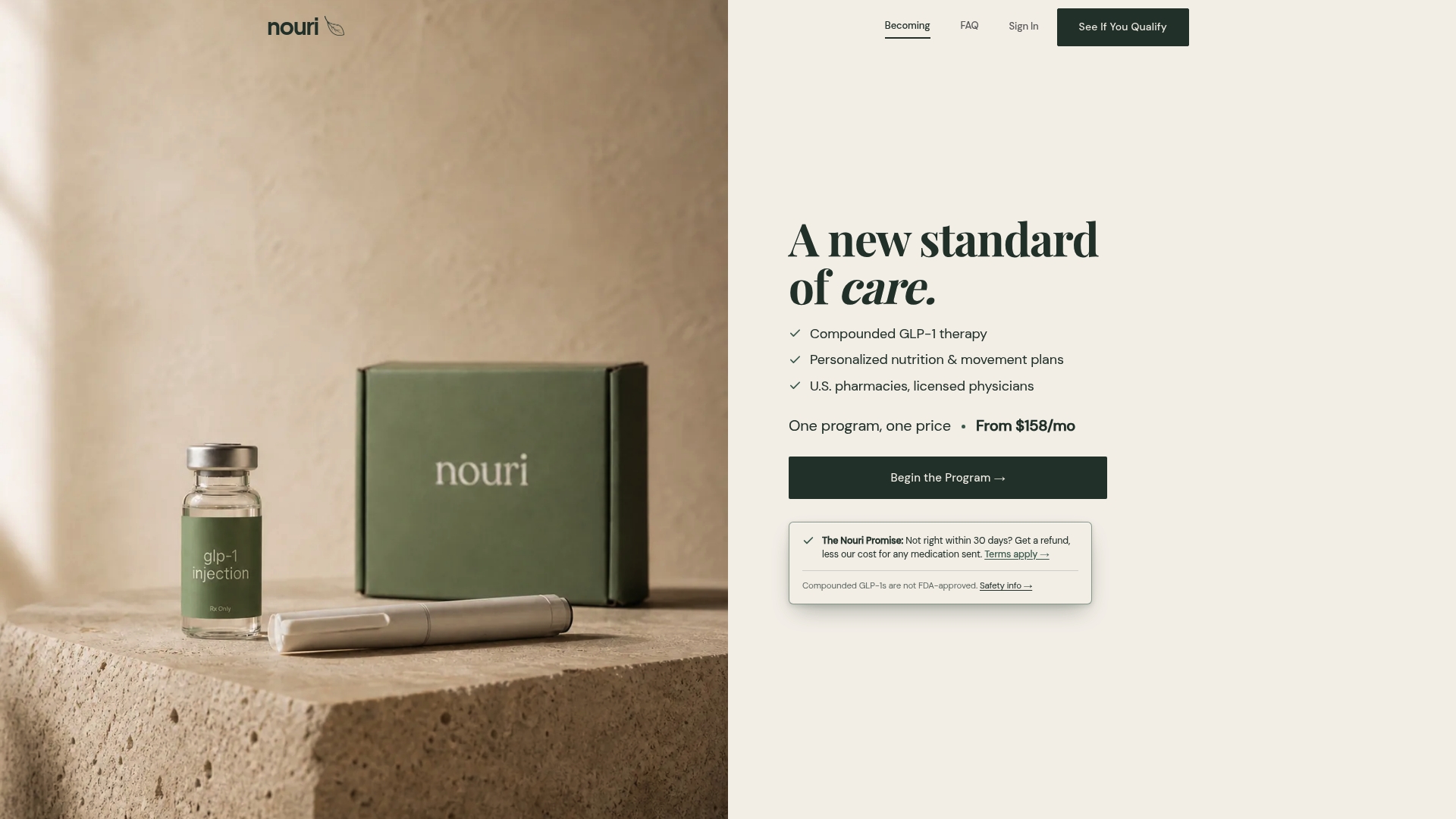
Nouri’s care model pairs patients with U.S.-licensed physicians who conduct clinical reviews before prescribing any medication. Compounded semaglutide and tirzepatide are prepared by state-licensed 503A compounding pharmacies and prescribed only when clinically appropriate. Every patient interaction is governed by the same confidentiality standards described in this article. As with any HIPAA-covered care relationship, your health information is handled in line with the confidentiality standards described in this article. If you are considering a physician-guided weight care program that treats your privacy as a clinical priority, review the Nouri program to understand how the care model works and what to expect from the clinical process.
FAQ
What does physician-patient confidentiality mean?
Physician-patient confidentiality is the legal and ethical duty of a clinician to keep all identifiable health information private. It is governed by HIPAA and professional codes of ethics, including the AMA Code of Ethics.
What is the difference between confidentiality and physician-patient privilege?
Confidentiality is a clinical and ethical obligation to protect patient information. Physician-patient privilege is a legal evidentiary rule that governs whether medical communications can be used as testimony in court proceedings.
Can a doctor share your information without your consent?
A physician may share information without consent in specific, narrow circumstances, including imminent harm to self or others, mandatory public health reporting, and valid court orders. All such disclosures must use the minimum necessary information.
What happens if a doctor violates patient confidentiality?
Federal HIPAA violations can result in fines exceeding $2 million per year and up to 10 years in prison for willful conduct. Patients may also pursue civil claims for invasion of privacy or negligence, with financial and punitive damages available.
How can you protect your own medical privacy?
Request your Notice of Privacy Practices at every new provider visit, review who has access to your electronic health records, and exercise your HIPAA rights to access, correct, and restrict your health information as needed.
Recommended
Medical Disclaimer: This article is for informational purposes only and does not constitute medical advice. Always consult with a qualified healthcare provider before starting or changing any medication or treatment. Licensed providers review patient assessments before making clinical decisions.
Begin your wellness journey today
Personalized wellness plans from licensed providers. Free shipping. 100% online.
See If You Qualify